
People Counter with API Integration: The 2026 Guide to Data-Driven Automation
Over 80% of the global population is now covered by data privacy legislation as of May 2026. In this strictly regulated environment, a people counter with API integration is no longer a luxury but a strategic necessity for any data-driven organization. You likely understand the friction caused by manual data exports that are prone to error and the frustration of siloed data that makes calculating accurate conversion rates nearly impossible. Managing data across national locations shouldn’t feel like a manual chore that compromises your accuracy.
This guide reveals how to unlock the full potential of your footfall data by integrating FootfallCam hardware directly into your existing business intelligence and POS systems. You’ll learn how the FootfallCam V9 software automates data collection to eliminate manual entry and provides the scalability needed for complex organizational structures. We will examine how empirical evidence, rather than intuition, can finally dictate your operational strategy through seamless technical implementation and automated reporting.
Key Takeaways
- Understand how a people counter with API integration moves your business beyond manual data silos toward a unified, automated intelligence ecosystem.
- Identify the technical advantages of RESTful architecture and JSON data formats for maintaining high-integrity communication between sensors and internal servers.
- Compare the long-term total cost of ownership between manual exports and API-driven automation to ensure your data strategy scales with your physical footprint.
- Connect real-time movement data with POS and staffing tools to generate accurate conversion rates and evidence-based labor schedules.
- Discover how the FootfallCam V9 platform and Centroid module enable advanced integration features for both new and legacy hardware setups.
What is a People Counter API and Why Does Your Business Need It?
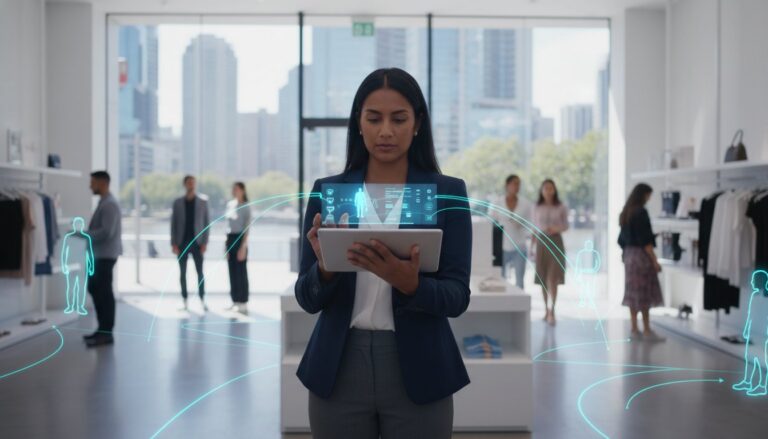
An Application Programming Interface, or API, acts as a sophisticated digital bridge between your physical hardware and your strategic software. In the context of a People counter, the API is the protocol that allows the sensor to communicate directly with your existing business infrastructure. This technology has facilitated a fundamental shift in how organizations perceive footfall metrics. We’ve moved away from standalone sensors that required manual oversight toward integrated data ecosystems where information flows autonomously. By utilizing a people counter with API integration, businesses can ensure that every person entering a space is immediately accounted for within their primary reporting tools.
Automation is the primary driver of this transition. Historically, managers had to export CSV files from disparate systems and merge them manually, a process that is both time-consuming and vulnerable to human error. A single mistyped cell can distort conversion rates and lead to flawed staffing decisions. Devices like the FootfallCam Pro2 eliminate this risk by generating structured, API-ready datasets at the edge. This ensures that the data reaching your dashboard is clean, verified, and ready for immediate analysis without the need for manual intervention.
Breaking Down Data Silos in 2026
Isolated data is restricted data. When footfall metrics remain trapped within a proprietary sensor portal, they lose their strategic utility. Achieving a single source of truth requires these metrics to live alongside your financial and operational data. For Australian firms managing a national footprint, this level of integration is essential for scalability. It’s simply not feasible to manually aggregate reports from fifty or a hundred locations. API-driven automation allows central management to view performance across every site simultaneously, ensuring that the narrative of movement is consistent across the entire organization.
The Shift from Historical to Real-Time Insights
The value of information often depends on its speed. While historical data is useful for long-term planning, real-time insights enable immediate operational pivots. A people counter with API integration supports live occupancy tracking, which is vital for maintaining safety standards and optimizing the customer experience as it happens. Modern integrations often utilize push notifications rather than simple polling. Instead of your software asking for an update every hour, the system pushes data instantly when a specific threshold is met. This allows for rapid adjustments, such as opening a new checkout lane or redirecting staff to high-traffic zones, based on empirical evidence rather than a manager’s intuition.
Technical Foundations: How People Counter APIs Facilitate Data Flow
RESTful architecture provides the logical framework for modern data exchange. It allows a people counter with API integration to function as a predictable, scalable resource within your broader network. Most modern systems have moved away from the bulkiness of XML in favor of JSON (JavaScript Object Notation). JSON’s lightweight nature ensures that data packets are small and easy for servers to parse; this is critical when managing high-frequency traffic updates from hundreds of sensors across a national footprint. By using standardized formats, technical teams can spend less time on data translation and more time on strategic optimization.
Security remains a paramount concern for any enterprise integration. Utilizing robust protocols like OAuth2 ensures that only authorized applications can access sensitive footfall metrics. API keys provide an additional layer of identification, allowing administrators to monitor which specific systems are requesting data and at what frequency. This structured approach to security aligns with global standards like the OGC SensorThings API, which provides a framework for interconnecting IoT devices and their observations. Comprehensive documentation serves as the final pillar of a successful deployment. When developers have access to clear, well-mapped documentation, they can implement the system faster and with fewer errors. For organizations looking to upgrade their technical infrastructure, exploring the FootfallCam Pro2 provides a reliable starting point for high-accuracy data collection.
Understanding Data Granularity and Endpoints
Effective analytics require specific data slices rather than broad generalizations. APIs allow developers to query specific endpoints to retrieve information by the hour, day, or custom intervals. You can filter these requests by unique sensor IDs or broader location groups to compare performance across different regions. Beyond simple enter and exit counts, sophisticated endpoints now provide live occupancy levels. This gives a more nuanced view of how people utilize space over time, allowing for more precise management of physical environments.
Webhooks vs. Polling: Choosing Your Integration Method
Selecting the right communication method depends on your operational needs. Polling involves your server making regular GET requests to check for new data, which is ideal for historical auditing and daily reporting tasks. Conversely, webhooks offer an event-driven approach where the sensor pushes data to your system the moment a specific event occurs. This is essential for real-time occupancy management and immediate operational alerts. The FootfallCam V9 software supports both methods, giving your technical team the flexibility to design a custom data flow that suits your specific business logic.

API Integration vs. Manual Exports: A Strategic Comparison
Manual data handling is a hidden drain on organizational resources. While a simple CSV export might seem cost-effective initially, the total cost of ownership (TCO) rises sharply as your operations expand. A people counter with API integration replaces the fragmented process of downloading, cleaning, and merging files with a streamlined, automated pipeline. This transition is essential for maintaining data integrity. Spreadsheets are notoriously fragile; a single broken formula or a missing file during a monthly audit can invalidate weeks of strategic planning. By automating the flow, you ensure that the metrics driving your business are both accurate and accessible without the risk of human oversight.
Scalability serves as the ultimate stress test for manual methods. Managing footfall data for a handful of locations is feasible, but as a national footprint grows, the logistics of manual reporting become insurmountable. Centralized management teams cannot wait for individual branch managers to upload weekly reports. Many organizations find that their existing infrastructure lacks the necessary connectivity for modern demands, making a people counter upgrade a logical necessity. Upgrading ensures that your hardware can communicate directly with your centralized server, removing the human bottleneck from the data lifecycle and providing a foundation for enterprise-level growth.
Efficiency and Resource Allocation
Staff members often spend hours every week performing repetitive data entry and reporting tasks. Automating these reports allows you to redirect that human capital toward high-value data analysis. Instead of merely collecting numbers, your team can focus on interpreting them. This shift significantly increases the speed of decision-making, which is a critical advantage in fast-paced retail environments. When you remove the delay between data collection and reporting, you empower your team to react to store performance trends in hours rather than weeks.
The ROI of Automation
The ROI of automation is found in the precision of your conversion rates. When footfall data is synchronized with sales figures via API, the resulting insights allow for immediate adjustments to store layouts or marketing campaigns. These improvements justify the initial hardware investment by driving measurable growth and operational lean-ness. Investing in modern people counting technology ensures your business remains resilient against shifting behavioral trends. This future-proofed approach ensures that your data remains a valuable asset as your business intelligence tools evolve over the coming years.
High-Impact Use Cases for Integrated People Counting Data
Transitioning from data collection to strategic application requires a clear roadmap for your technical team. A people counter with API integration serves as the catalyst for several high-impact operational improvements that go beyond simple counting. By embedding footfall metrics into your core business processes, you transform passive observations into active levers for growth. This integration allows for a multi-step approach to organizational optimization, starting with the synchronization of visitor traffic and transaction records.
- Step 1: POS Synchronization. Connect footfall data directly to your sales records to calculate real-time conversion rates. This identifies whether low sales are due to poor traffic or missed opportunities on the floor.
- Step 2: Automated Rostering. Use predicted traffic peaks to generate staff schedules automatically. This ensures you’re never overstaffed during lulls or understaffed when the floor is busy.
- Step 3: HVAC Optimization. Integrate occupancy data with building management systems for demand-controlled ventilation (DCV). This reduces energy consumption by adjusting climate control based on actual room density.
- Step 4: Public Transparency. Feed live occupancy data into your mobile app or website. This helps visitors choose the best time to visit, improving the overall customer experience.
- Step 5: Marketing Attribution. Correlate specific marketing campaigns with physical store visits to determine the true return on ad spend (ROAS).
Retail Conversion Rate Optimization
Raw traffic numbers don’t tell the whole story. Without sales context, a high visitor count might mask a failing service strategy. API integration allows for sophisticated footfall data analysis by linking movement patterns to specific transaction IDs. This level of detail reveals the true performance of store managers and sales teams. It highlights which locations successfully convert browsers into buyers and which require additional training or inventory adjustments. You can find the right hardware to support these goals by exploring the solutions at Footfall Australia.
Smart Building and Facility Management
Facility managers can leverage occupancy APIs to move beyond fixed maintenance schedules. Instead of cleaning a restroom every two hours, you can trigger a service request after a specific number of people have entered. This ensures resources are used efficiently where they’re needed most. In museums and galleries, automated visitor flow management protects sensitive exhibits and prevents overcrowding. Real-time threshold alerts also ensure constant compliance with safety regulations, providing an empirical record of occupancy that satisfies legal requirements without manual headcounts.
Leveraging FootfallCam V9 for Seamless API Integration
FootfallCam V9 acts as the centralized intelligence hub for your entire data strategy. This software platform, with server API documentation last updated on April 2, 2026, simplifies the complexities of managing a people counter with API integration by providing a unified interface for credential management and endpoint customization. Within the V9 dashboard, administrators define specific data parameters to ensure that the information pushed to external BI tools remains relevant and ready for immediate use. This level of control allows you to tailor data flows to the unique requirements of your organizational hierarchy.
For organizations with established security infrastructure, the FootfallCam Centroid module provides a strategic bridge to modern analytics. It applies advanced AI processing to standard CCTV feeds, granting legacy cameras the same API capabilities as dedicated counting hardware. This creates a hybrid environment where new and old systems coexist within a single, integrated data stream. By utilizing Centroid, you can extend the utility of current assets while benefiting from the automation and precision of a modern data ecosystem.
Maintaining the reliability of these automated feeds requires proactive oversight. Consistent people counter support through our Premium or Basic Support Plans ensures that API endpoints remain active and that data transmission remains uninterrupted. Technical support plays a vital role in monitoring system health and resolving connectivity issues before they impact your reporting. Without this technical foundation, the automation chain can break, leading to gaps in historical data that compromise your strategic visibility.
The FootfallCam Pro2 Hardware Advantage
High-performance APIs rely on the quality of the source data. The FootfallCam Pro2 utilizes on-device processing to filter and verify counts before they ever reach your server. This edge computing approach ensures your API isn’t bogged down by unrefined data. Built-in AI distinguishes between adults, children, and staff members, providing a level of granularity that’s essential for calculating true conversion rates. This hardware is engineered for 99.5% accuracy, ensuring that your integrated reports reflect the actual human behavior within your physical spaces.
Getting Started with Your Integration
Implementation begins with accessing your dedicated API credentials through the FootfallCam V9 developer sandbox. This environment allows your technical team to test calls and verify data structures without affecting live reports. It’s a critical step for ensuring that your internal dashboards correctly interpret the incoming JSON packets. If your organization requires a bespoke solution or has complex architectural requirements, consulting with the technical team at Footfall Australia is the most efficient path forward. Transitioning to a fully automated operation requires a partner that understands both the technical and strategic nuances of footfall analytics. Contact our experts today to discuss a tailored integration plan for your business.
Standardizing Excellence in Physical Space Analytics
Transitioning from manual, siloed reporting to automated data ecosystems is the defining shift for organizations in 2026. This guide has detailed how technical foundations like RESTful APIs and JSON formats ensure that your footfall metrics remain secure, scalable, and actionable. By choosing a people counter with API integration, you move beyond the limitations of fragile spreadsheets and empower your team to focus on strategic growth rather than data entry. It’s about replacing intuition with a scientific approach to human movement.
FootfallCam provides the specialized tools needed to achieve this level of operational optimization. The AI-driven Pro2 sensors deliver 99.5% accuracy, ensuring that the evidence backing your decisions is beyond reproach. Trusted by over 500 global brands and backed by local Australian support and maintenance, we offer the technical stability required for long-term success. Streamline your data today with FootfallCam’s API integration and turn your movement data into a strategic asset. Embracing empirical logic today ensures your business remains resilient as behavioral trends continue to shift.
Frequently Asked Questions
What is a people counter API and how does it work?
An API operates as a set of communication protocols that allow a people counter with API integration to transmit data directly to your internal servers. It works by exposing technical endpoints that your software can query to retrieve footfall metrics in structured, machine-readable formats. This creates an automated bridge where data flows from the physical sensor to your analytics dashboard without manual file handling.
Can I integrate people counting data with my existing POS system?
You can synchronize footfall metrics with your POS data to establish a unified view of store performance. This backend integration allows your systems to automatically calculate conversion rates by comparing the number of visitors against the number of transactions. By merging these datasets, you move beyond surface-level traffic numbers to understand the specific factors driving your retail revenue.
Does FootfallCam provide documentation for developers?
Comprehensive technical documentation is available to ensure your development team can implement the integration efficiently. The server API documentation, which was last updated on April 2, 2026, provides clear guidance on RESTful architecture and endpoint mapping. This resource is designed to minimize development time and ensure that your data pipeline is both stable and scalable from the first day of deployment.
Is the data transmitted via the API secure and GDPR compliant?
Data security is maintained through enterprise-grade encryption and authorized access protocols such as OAuth2. All FootfallCam systems are engineered with a privacy-first approach, utilizing signal anonymization to ensure that no personally identifiable information (PII) is ever captured or transmitted. This allows your organization to maintain high-integrity analytics while remaining fully compliant with global data privacy regulations.
What programming languages are supported for the integration?
The API utilizes a RESTful architecture, making it compatible with any modern programming language that can handle HTTP requests. Whether your stack is built on Python, JavaScript, Java, or C#, your developers can easily parse the incoming JSON data. This language-agnostic design ensures that the integration fits seamlessly into your existing software environment without requiring specialized middleware.
Can I get real-time occupancy data through the API?
Real-time occupancy metrics are accessible through specific endpoints designed for immediate operational response. By utilizing webhooks, your system can receive instant push notifications the moment occupancy thresholds are reached. This is particularly useful for managing live safety requirements and optimizing building resources, such as lighting and HVAC, based on current human density rather than fixed schedules.
Do I need special hardware to use API features?
API features are natively integrated into the FootfallCam Pro2 hardware and the V9 software ecosystem. For locations with existing CCTV infrastructure, the Centroid module can be utilized to enable these same API capabilities without replacing your current cameras. This flexibility allows you to implement a people counter with API integration across your entire network using a combination of new and legacy hardware.
How much does it cost to access the FootfallCam API?
Access to the API is generally included as a core feature of the FootfallCam V9 software platform. Depending on your organization’s specific needs, additional technical maintenance may be covered under our Basic or Premium Support Plans. For a detailed breakdown of the technical requirements and support structures for your project, you should consult with the expert team at Footfall Australia for a tailored evaluation.