
Retail Analytics Software Australia: The 2026 Guide to Data-Driven Growth
This guide explores how integrated systems transform physical store presence into a sequence of human actions that you can interpret and optimize. We’ll show you how to move beyond basic footfall counting to achieve a unified view of your operations through automated reporting and seamless POS integration. You’ll discover how to leverage clear, visual dashboards that identify growth opportunities and ensure your staffing remains accurate during every peak and off-peak window. By grounding your strategy in empirical evidence, you can move away from intuition and toward a model of sustained, measurable growth.
Key Takeaways
- Understand why modern retail analytics software Australia is essential for transitioning from intuitive management to evidence-based decision-making.
- Learn how to integrate footfall metrics with sales data to calculate precise conversion rates and identify underperforming store zones using heatmap technology.
- Discover the critical role of high-accuracy hardware, such as FootfallCam Pro2 People Counters, in ensuring the integrity of your analytical reporting.
- Identify specific strategies to optimize labor costs by aligning roster hours with real-time customer traffic patterns and measuring marketing campaign effectiveness.
- Evaluate the technical requirements for long-term success, including the choice between cloud hosting and selecting the right national maintenance plan for your business.
The Landscape of Retail Analytics Software in Australia (2026)
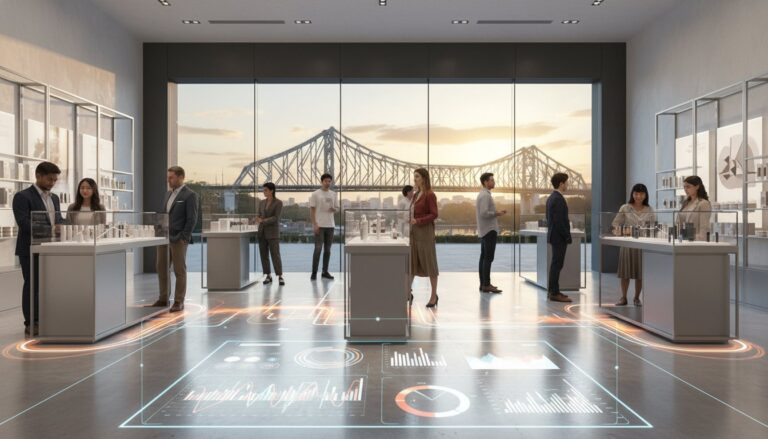
Modern retail analytics software Australia functions as a centralized intelligence hub. It aggregates footfall, transaction data, and in-store behavioral patterns into a single source of truth. Historically, store managers relied on intuition or “gut feeling” to judge performance. In 2026, this approach is no longer viable. Total retail spending reached $38.63 billion in January 2026, yet rising labor costs and the National Minimum Wage increase to $26.44 per hour in July have tightened margins. Decisions must be backed by empirical evidence. By leveraging customer analytics, businesses can transform raw movement into actionable strategy. Recent legal developments, such as the 2026 landmark decision regarding transient data collection, mean that even fleeting data processing requires robust, compliant software to manage Privacy Act obligations effectively.
Why Australian Retailers are Investing in Analytics Now
From People Counting to Business Intelligence
The technology has evolved far beyond simple door counters that merely record entries and exits. Modern retail analytics software Australia interprets what we call the “narrative of movement.” It treats physical presence as a sequence of deliberate human actions rather than just a tally. High-performance platforms, such as FootfallCam V9 Software, provide sophisticated insights that allow managers to visualize how customers interact with specific aisles or displays. For national deployments across multiple states, the software’s utility depends on the integrity of the data stream. This is why many organizations now prioritize integrated technical assistance, utilizing Premium or Basic Support Plans to ensure their sensors and reporting tools remain operational across all locations. This steady, logical flow from observation to strategy ensures long-term stability and a clear return on investment.
Core Features of High-Performance Retail Analytics Platforms
Selecting the right retail analytics software Australia requires a focus on specific, high-utility features that bridge the gap between physical movement and financial outcomes. High-performance platforms move beyond simple counting to provide a comprehensive view of store health. This visibility allows managers to move away from guesswork and toward a strategy grounded in empirical evidence.
Automated conversion rate tracking represents the cornerstone of modern retail intelligence. By integrating sales data from your existing systems with footfall metrics, the software calculates conversion rates automatically. This reveals the percentage of visitors who actually make a purchase. It’s a critical metric for identifying whether a dip in sales is due to low traffic or poor in-store execution. When these two data streams merge, you gain the ability to pinpoint exactly where the customer journey succeeds or fails.
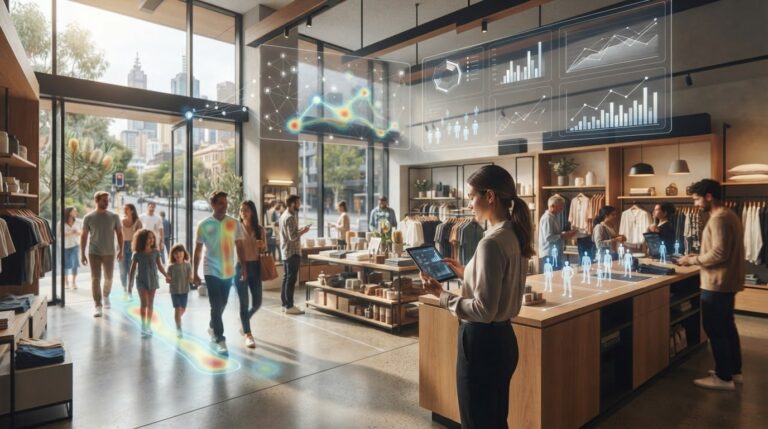
Heatmap and dwell time analytics further refine this understanding by mapping the narrative of movement within the four walls of your store. Heatmap technology visualizes the density of customer flow, highlighting “dead zones” where shoppers rarely venture. Coupled with dwell time measurement, which tracks how long individuals engage with specific product displays, managers can scientifically validate floor plans and merchandising strategies. For national brands, comparing performance across dozens of locations is simplified through a single, unified dashboard. This multi-site management capability allows for the identification of top-performing stores and the replication of their success across the entire network.
The Power of FootfallCam V9 Software
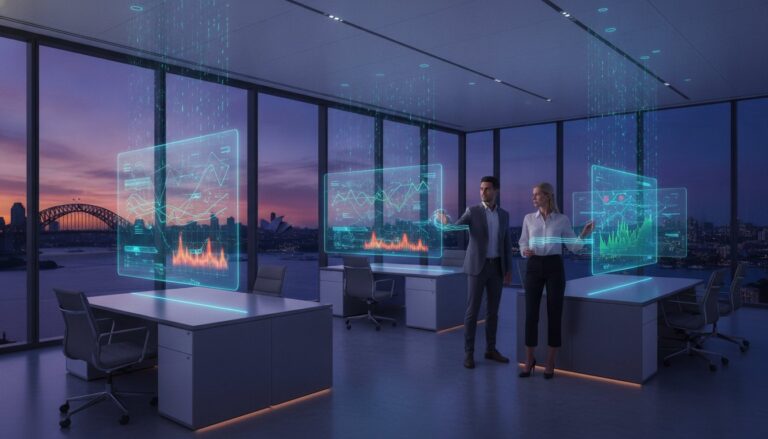
The FootfallCam V9 Software serves as the central intelligence hub for these metrics, offering an intuitive interface designed for non-technical managers. It allows users to set customizable KPIs, such as staff-to-customer ratios and marketing ROI benchmarks, ensuring that every department stays aligned with organizational goals. The system transforms complex data sets into simple, visual reports that empower users to make rapid, informed decisions. FootfallCam V9 functions as a versatile analytics hub available through either a perpetual-license or subscription-based model.
Predictive Analytics and Trend Forecasting
Modern retail analytics software Australia doesn’t just report on the past; it anticipates the future. By analyzing historical data, AI-driven algorithms can predict upcoming peak periods and seasonal shifts with high accuracy. These systems often account for external variables like local weather patterns or community events that influence shopper behavior. Staying prepared for these shifting trends allows for more efficient resource allocation and better inventory management. To see how these features apply to your specific environment, you can explore the latest retail analytics solutions available for Australian businesses.
Hardware vs. Software: Why Integration is Non-Negotiable
Effective retail analytics software Australia relies entirely on the quality of the incoming data stream. In the world of data science, the “Garbage In, Garbage Out” principle remains an absolute truth. If your hardware sensors provide inaccurate counts, the most sophisticated software dashboards in the world will still produce flawed insights. To make reliable decisions about staffing, marketing, and inventory, businesses require a minimum accuracy threshold of 98%. Achieving this level of precision requires a native connection between high-performance IoT sensors and the analytical hub, ensuring that data is transmitted without loss or corruption.
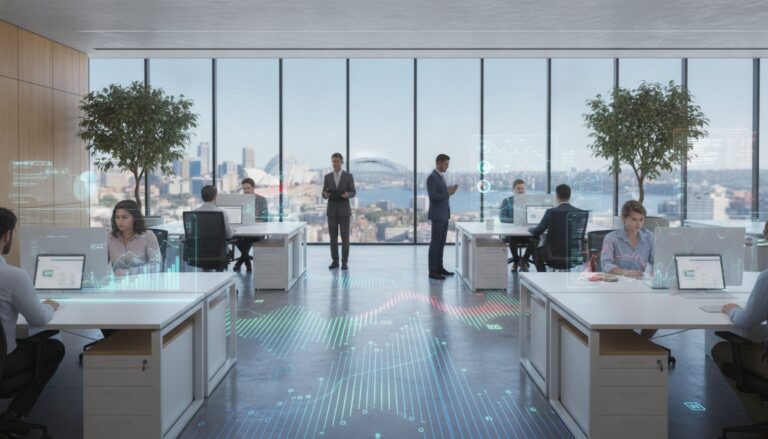
Siloed software platforms that don’t natively communicate with their hardware counterparts introduce significant technical friction. These fragmented systems often require manual data cleaning or complex middleware, which increases the burden on IT departments and introduces latency. By contrast, a seamless integration between sensors and reporting tools creates a stable foundation for business intelligence. This unified approach allows for real-time observation of human movement, providing the transparency needed to manage physical environments with scientific accuracy.
The FootfallCam Pro2 Advantage
The FootfallCam Pro2 People Counters provide the high-fidelity data required for modern analytics. These devices utilize AI-powered stereoscopic vision, which mimics human depth perception to distinguish between adults, children, and even objects like strollers. This level of detail is essential for maintaining accuracy in crowded environments or areas with complex lighting. Furthermore, the Pro2 is built with privacy by design. It processes movement locally to count individuals without ever capturing personally identifiable information (PII). This ensures full compliance with the 2026 landmark tribunal decisions regarding transient data collection. For a deeper look at hardware specifications, you can consult FootfallCam Pro2: The Definitive Buying Guide for Australian Businesses.
Upgrading Legacy Systems with Centroid
Many Australian retailers face the challenge of aging infrastructure that lacks modern analytical capabilities. The FootfallCam Centroid solves this by turning existing CCTV networks into powerful analytics sensors. This bridge technology allows businesses to extract sophisticated behavioral data from their current hardware investment without a total rip-and-out replacement. To further support this transition, the Legacy Swap Out Plan provides a structured path for upgrading older sensors while maintaining data integrity across different hardware generations. This strategy ensures that your retail analytics software Australia remains consistent and reliable, even as you modernize your physical store network over time.

Using Data to Optimise Store Operations and Increase ROI
Data serves little purpose unless it triggers specific, positive changes in operations. While previous sections established the importance of high-fidelity hardware and integrated software, the true value of retail analytics software Australia lies in its ability to drive measurable ROI. By transforming raw movement into a series of strategic adjustments, businesses can offset rising labor costs and maximize the revenue potential of every visitor. This transition from observation to action is what separates market leaders from those struggling with shrinking margins.
Dynamic staffing represents one of the most immediate opportunities for cost optimization. Since labor accounts for roughly 40% of retail operating expenses, aligning roster hours with actual customer traffic patterns is essential. Analytical dashboards allow managers to identify the exact hour traffic peaks occur, ensuring that high-performing staff are on the floor when opportunity is highest. Similarly, these tools provide a scientific method for measuring marketing effectiveness. Rather than guessing if a window display or local promotion worked, you can measure the direct delta in footfall and capture rates during the campaign period. This evidence justifies marketing spend and allows for rapid pivoting if a strategy fails to attract the expected volume of visitors.
Improving the Retail Sales Conversion Rate
A high volume of traffic is a vanity metric if it doesn’t result in transactions. Identifying “missed opportunities” occurs when the software highlights a gap between high footfall and low sales volume. This data often points to specific operational friction, such as long queue times or inadequate floor coverage. By analyzing these metrics, managers can tailor staff training to address performance during peak hours rather than relying on generalized sessions. For a deeper framework on applying these insights, refer to our Retail Footfall Analysis in Australia: A Strategic Guide to Data-Driven Growth. To begin optimizing your floor plan and staffing strategy, you can view our full suite of analytics tools.
Benchmarking and National Performance Standards
For businesses operating across multiple states, data provides the only objective way to identify “hero stores.” These are the locations that consistently achieve high conversion rates despite varying traffic levels. By benchmarking these top performers, management can isolate the specific behaviors or layouts that drive success and replicate them across the national network. Using retail analytics software Australia wide enables consistent brand standards by providing a universal metric for success across all territories. This ensures that every store manager is working toward realistic, evidence-based targets rather than arbitrary sales goals that don’t account for local traffic realities.
Implementation and Support: Ensuring Long-Term Success
Successful deployment of retail analytics software Australia requires a strategic decision regarding how your data is hosted and maintained. Cloud-based hosting offers the agility needed for rapid updates and remote access, which is ideal for businesses that prioritize accessibility. Conversely, on-premise solutions provide localized control for organizations with specific internal network requirements. Regardless of the hosting model, the transition from data collection to data-driven action is a cultural shift. Your team must move beyond simply viewing charts; they need to understand how to translate those visualizations into improved store operations. This involves training staff to interpret the narrative of movement and apply it to their daily routines.
The journey toward evidence-based growth begins with a clear implementation roadmap. Booking a demo allows stakeholders to see the software in action and align its technical capabilities with specific business goals. Establishing these benchmarks early ensures that the system provides immediate utility. When management and floor staff alike understand the “why” behind the metrics, the software becomes an essential tool for navigating the complexities of the 2026 retail market.
Support Plans that Protect Your Data Integrity
Data is only valuable if it remains accurate and consistent over time. To maintain this, Australian retailers can choose between Basic and Premium Support Plans. A Premium plan often includes proactive remote health checks, which are essential for ensuring 24/7 counting accuracy across a national network. These checks identify potential hardware or connectivity issues before they impact your reporting, preserving the integrity of your ROI calculations. For a detailed breakdown of these services, see Comprehensive People Counter Support: Ensuring Data Integrity and ROI in 2026.
Scalability for National Growth
As your business expands, your analytical infrastructure must keep pace. The FootfallCam V9 Software scales seamlessly from a single boutique to a national retail chain. This scalability ensures that your initial investment remains relevant as you add more locations or integrate more complex data streams. Future-proofing your system involves regular software and firmware updates, which keep your hardware performing at the high accuracy thresholds required for reliable retail analytics software Australia. To begin your journey toward evidence-based growth, contact Footfall Australia for a tailored retail analytics solution.
Securing Your Competitive Advantage in 2026
The shift toward a data-driven retail model is no longer a future projection; it’s a present necessity for survival. Success in this environment depends on your ability to integrate high-accuracy hardware with sophisticated retail analytics software Australia to reveal the true narrative of your store’s performance. By prioritizing 98% counting accuracy and leveraging integrated reporting, you can confidently move away from intuition and toward a strategy rooted in empirical evidence.
Optimizing your operations through dynamic staffing and scientific floor plan validation ensures that every visitor interaction counts toward your bottom line. We’ve been serving Australian retailers since 2004. Our Red Dot Award-winning hardware design simplifies complex behavioral data into actionable growth opportunities. Don’t let fragmented data or rising costs dictate your future. You can Request a Live Demo of FootfallCam V9 Software today to see how 98%+ counting accuracy guaranteed can transform your business. We’re here to help you navigate shifting trends with precision and confidence.
Frequently Asked Questions
What is the best retail analytics software for small businesses in Australia?
The best retail analytics software Australia for small businesses is a platform that offers high scalability and intuitive reporting, such as FootfallCam V9 Software. Small operators need a system that translates complex data into simple, actionable insights without requiring a dedicated data scientist. Systems that allow for a perpetual license or flexible subscription help smaller retailers manage their overheads while gaining the same level of business intelligence as national chains.
How much does retail analytics software cost in Australia for 2026?
Pricing for retail analytics platforms generally follows either a subscription-based model or a one-time perpetual license fee. Total costs depend on the number of physical locations, the complexity of the features required, and the scale of the deployment. Most vendors provide tiered pricing based on the level of technical support and data processing needed. Retailers should evaluate the long-term ROI of these systems rather than just the initial procurement cost.
Can retail analytics software integrate with my existing POS system?
Yes, high-performance platforms are designed to integrate seamlessly with various Point-of-Sale systems to calculate conversion rates automatically. This integration is essential for bridging the gap between footfall metrics and actual sales revenue. By merging these data streams, the software provides a clear view of how effectively your store converts visitors into customers. This automated process reduces manual data entry and minimizes the risk of human error in your reporting.
Is people counting software compliant with Australian privacy laws?
Modern retail analytics software Australia is built with privacy by design to ensure compliance with the Privacy Act. Following a 2026 landmark tribunal decision, even the transient processing of data is considered “collection,” meaning systems must be robust and transparent. Advanced sensors like the FootfallCam Pro2 process movement locally and don’t capture personally identifiable information (PII). This approach ensures your business meets the mandatory disclosure requirements for automated decision-making systems effective from December 2026.
How accurate is AI-based retail analytics software compared to infrared?
AI-based software utilizing stereoscopic vision is significantly more accurate than legacy infrared sensors, which often struggle with shadows or groups of people. Stereoscopic AI sensors mimic human depth perception, allowing them to achieve a counting accuracy of 98% or higher. They can distinguish between adults, children, and shopping trolleys with high precision. Infrared systems lack this depth perception and typically offer much lower reliability in high-traffic or complex lighting environments.
What is a good conversion rate for Australian specialty retail stores?
A good conversion rate in Australian specialty retail typically ranges between 10% and 30%, though this varies significantly by sector and price point. Luxury boutiques may see lower traffic but higher individual transaction values, while high-volume apparel stores often target the upper end of that range. The most valuable use of this metric is benchmarking your own “hero stores” to set realistic, evidence-based targets across your entire national network.
Do I need to buy new hardware to use FootfallCam V9 software?
You don’t necessarily need to replace all existing hardware to gain advanced analytical capabilities. The FootfallCam Centroid can turn existing CCTV networks into powerful sensors by processing their video feeds through AI algorithms. This allows businesses to modernize their data collection without a full infrastructure overhaul. For those with aging sensors, a Legacy Swap Out Plan provides a structured path to upgrade to high-accuracy hardware while maintaining data continuity.
How long does it take to implement a full retail analytics system?
Implementation timelines depend on the scale of the rollout and the complexity of your existing IT infrastructure. A single-store deployment can often be completed within a few weeks, including hardware installation and software configuration. National rollouts for larger chains require more detailed planning and may take several months to ensure consistent data integrity across all locations. Partnering with a provider that offers national support plans can streamline this process and ensure long-term stability.