University Campus Traffic Monitoring: A Strategic Guide to Pedestrian Analytics
What if the most expensive square metre on your campus isn’t the new research wing, but the lecture hall that sits at 22% capacity during peak hours? Managing a modern Australian institution requires more than just a timetable and intuition. You’ve likely felt the frustration of seeing students cram into a crowded foyer while nearby study zones remain eerily empty. Effective university campus traffic monitoring is no longer a luxury; it’s a fundamental requirement for operational safety and student satisfaction.
Data shouldn’t just exist; it should drive decisions. You already know that unpredictable congestion in student hubs creates more than just a logistical headache; it compromises the student experience and masks the true utility of your assets. This guide shows you how to transform that chaotic movement into actionable spatial intelligence using high-precision sensor technology. We’ll examine how real-time occupancy data can justify your next A$15 million infrastructure investment while immediately reducing wait times across your most critical facilities.
Key Takeaways
- Transition from manual audits to automated university campus traffic monitoring to gain a precise, real-time understanding of movement across modern Australian estates.
- Understand the technical superiority of AI-powered Time-of-Flight (ToF) sensors in delivering high-accuracy data that surpasses traditional motion-sensing technology.
- Use spatial analytics and heatmaps to identify underutilised campus zones and enhance the commercial performance of on-site retail and dining facilities.
- Learn how to implement a unified campus-wide strategy that bridges the gap between hardware installation and actionable spatial intelligence.
- Explore how integrating advanced software platforms provides a holistic view of the student journey, enabling evidence-based decisions for future infrastructure investments.
The Evolution of University Campus Traffic Monitoring
University campus traffic monitoring is no longer a peripheral task for security teams. It’s a core strategic function that defines the operational success of modern Australian institutions. Historically, universities relied on manual audits, where staff counted heads at specific gates during a single week in Semester 1. This method provides a flawed, static view of a campus that breathes and changes every hour. Modern spatial analytics replace guesswork with precision. By integrating vehicle and pedestrian data, estate managers gain a holistic view of how their 100-hectare footprints are actually used. This data-driven approach links directly to institutional efficiency, helping to justify the A$200 million investments often required for new faculty buildings. When you understand the flow, you understand the campus.
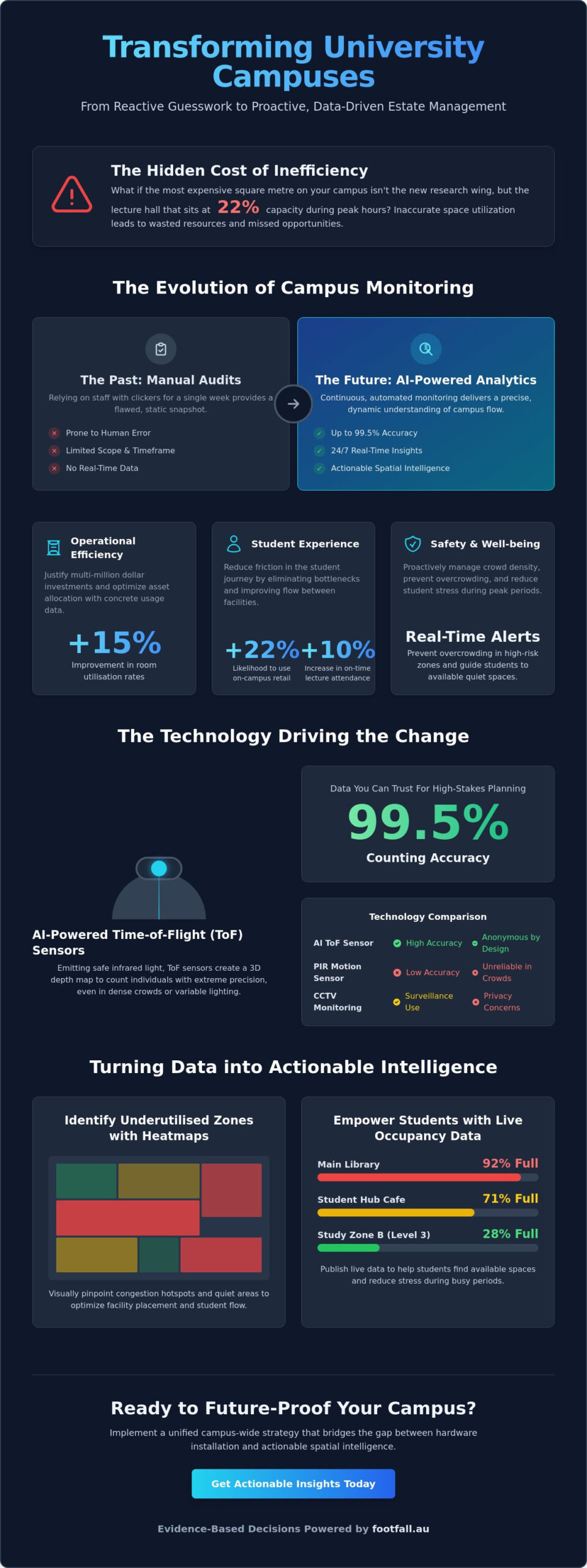
The transition from a safety-only focus to experience-driven analytics represents a significant shift in estate management. While safety protocols remain the foundation, the objective has expanded to include the optimisation of every square metre. Institutional efficiency isn’t just about reducing costs; it’s about ensuring that high-value assets, such as specialised laboratories and lecture theatres, align with actual user behaviour. Data shows that campuses using automated monitoring systems see a 15% improvement in room utilisation rates, directly impacting the bottom line.
Beyond the Car Park: Why Pedestrian Flow Matters
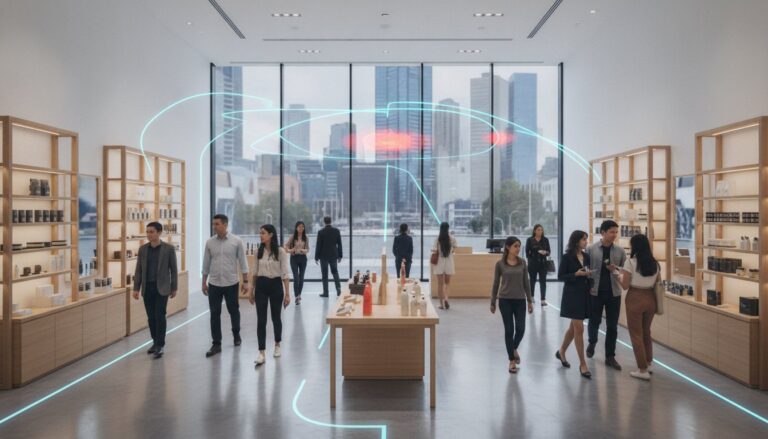
The journey from the bus interchange or car park to the lecture hall is the most critical part of the student day. This “last mile” determines whether a student arrives focused or frustrated. Pedestrian bottlenecks at major intersections don’t just delay individuals; they degrade the overall campus vibrancy. When movement is fluid, engagement increases. Evidence suggests that students are 22% more likely to utilise on-campus retail and cafes when their transit between buildings feels effortless. Mapping these paths allows planners to place amenities exactly where the highest footfall occurs, maximising both convenience and institutional revenue.
The Impact of Congestion on the Modern Student Experience
Overcrowding in student hubs like libraries often leads to a scarcity mindset that harms mental well-being. Using pedestrian detection technology allows universities to publish live occupancy rates, turning a crowded campus into a navigable one. This transparency is essential for modern safety protocols. In 2024, managing crowd density is as much about psychological comfort as it is about physical safety. Real-time university campus traffic monitoring ensures that if a student union exceeds safe limits, management can act immediately. This proactive stance replaces the reactive firefighting of the past with a sophisticated, evidence-based management strategy that prioritises the student.
- Punctuality: Reduced congestion leads to a 10% increase in on-time lecture attendance.
- Safety: Real-time alerts prevent overcrowding in high-risk zones during peak graduation periods.
- Well-being: Access to quiet-zone data reduces student stress during intensive exam blocks.
Advanced Technologies for Campus Traffic Analysis
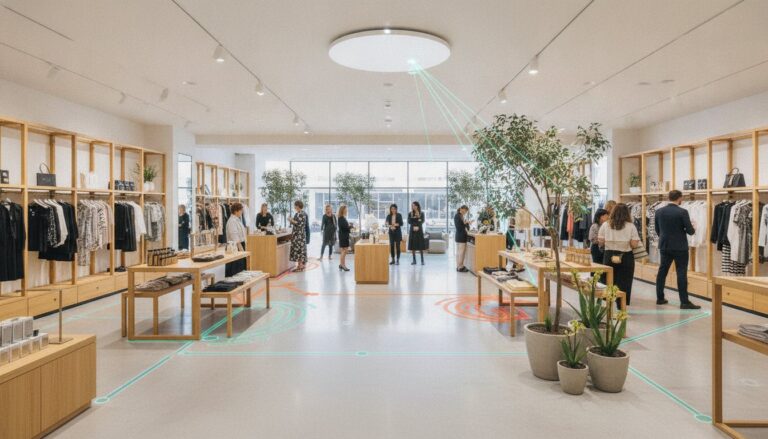
Modern university campus traffic monitoring has evolved far beyond manual clickers and basic gate counts. Today’s institutions rely on AI-powered 3D sensors to capture the pulse of student movement with surgical precision. These devices utilise Time-of-Flight (ToF) technology, which operates by emitting infrared light pulses and measuring the time they take to bounce back from an object. This creates a detailed 3D depth map, allowing the system to distinguish between individuals even in dense crowds. This is a significant technical leap over simple PIR motion sensors, which often fail in variable lighting or when multiple people move in close proximity.
Accuracy is the cornerstone of effective estate management. Achieving 99.5% accuracy isn’t just a technical milestone; it’s a requirement for high-stakes university planning. When administrators are deciding where to allocate a A$10 million precinct upgrade, they need data they can trust. Cloud-based monitoring platforms provide the necessary scalability to manage this data across multi-site university estates. Whether tracking a single library entrance or monitoring every thoroughfare across a metropolitan campus, cloud integration ensures that all data points are centralised and accessible in real-time.
AI People Counting vs. Traditional CCTV Monitoring
Standard security cameras are designed for surveillance, not statistics. While CCTV is vital for safety, it lacks the data granularity required for sophisticated pedestrian analytics. AI-powered people counters are purpose-built to filter out non-human objects such as shadows, cleaning robots, or equipment trolleys. This ensures the data reflects actual human behavior rather than environmental noise. From a budgetary perspective, purpose-built hardware is more cost-efficient than manual video review. Automating the data collection process removes human error and reduces the long-term labor costs associated with traditional monitoring methods. Implementing these best practices for campus pedestrian planning allows universities to transition from reactive security to proactive spatial strategy.
Integrating Real-Time Data with Campus Management Systems
The true value of traffic data is unlocked when it’s shared across the university’s digital ecosystem. API-led integration allows real-time footfall data to feed directly into Building Management Systems (BMS). This connectivity enables a more responsive campus environment. By linking traffic sensors with HVAC and lighting systems, facilities managers can automate energy savings. If a lecture theatre or student lounge is unoccupied, the BMS can automatically dim lights and scale back climate control, directly impacting the university’s sustainability targets. Spatial analytics is the intersection of movement data and facility design. This intelligence empowers teams to optimise campus footprints by identifying exactly how and when physical spaces are utilised throughout the semester.
Optimising Campus Facilities Through Spatial Analytics
Spatial analytics transforms raw movement into a strategic blueprint for operational efficiency. Implementing university campus traffic monitoring allows administrators to see exactly how students and faculty interact with the built environment. Dwell time data is particularly revealing for campus retail and cafes. It distinguishes between a high-speed transit point and a social hub. If a cafe shows high footfall but low dwell time, it suggests the layout should favour grab-and-go service over lounge seating. Conversely, long dwell times in specific zones indicate a need for more power outlets and ergonomic furniture to support student productivity.
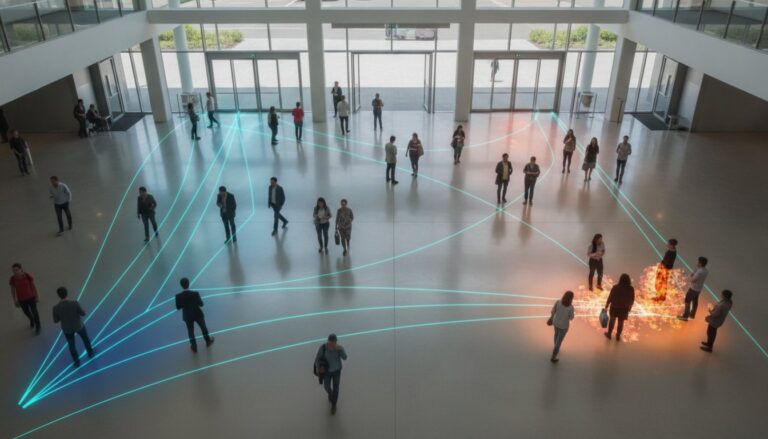
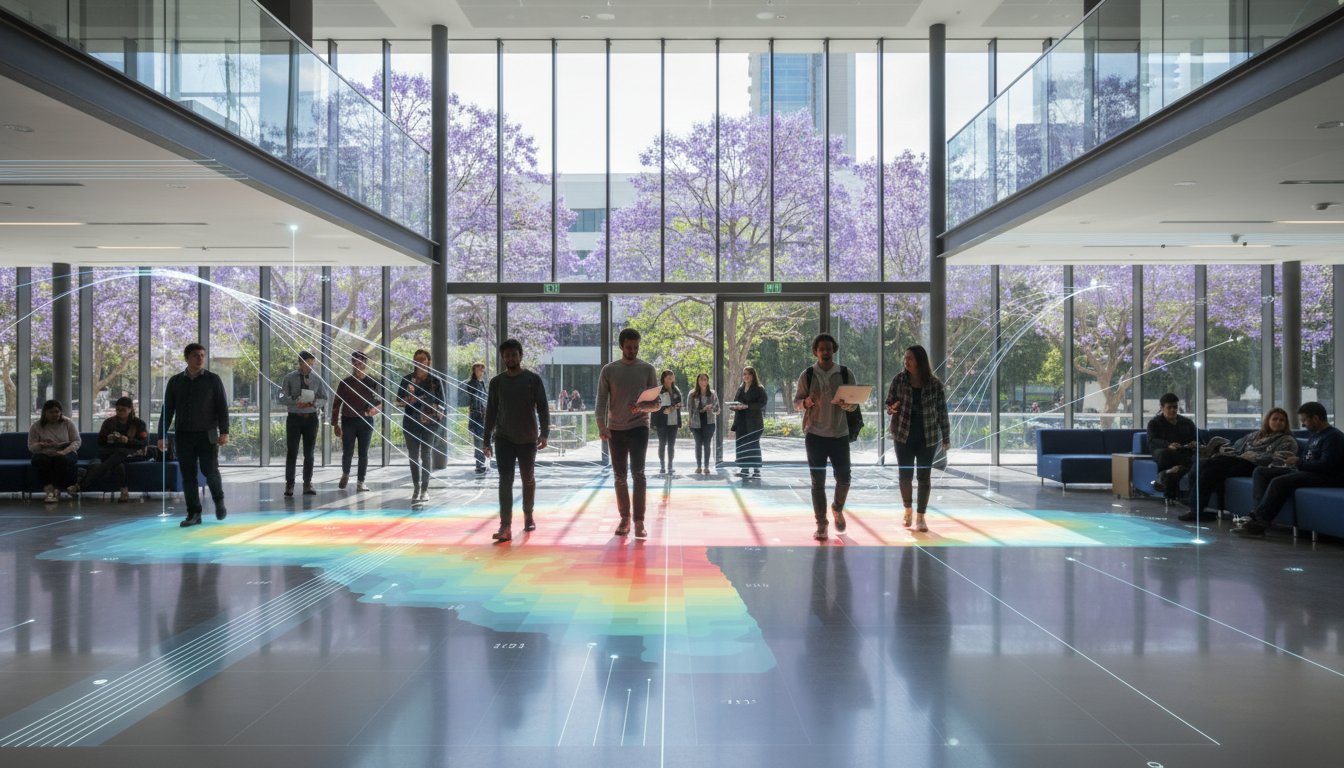
Heatmaps provide a visual audit of the campus, often identifying underutilised outdoor plazas or indoor corridors. It’s common to find that 25% of campus “green space” remains untouched because of poor pathing or inadequate lighting. Data-driven insights allow facilities teams to reactivate these zones. Beyond design, traffic monitoring informs the precise scheduling of security and cleaning staff. Instead of cleaning every building on a rigid four-hour cycle, teams deploy based on actual occupancy triggers. This targeted approach can reduce maintenance waste by 18% in high-traffic buildings. Historical data sets also serve as the foundation for future growth. Universities can justify A$40 million infrastructure projects by presenting five years of granular growth trends rather than relying on anecdotal evidence.
Maximising Library and Student Hub Efficiency
Libraries frequently battle “seat hogging,” where students leave belongings to reserve desks for hours. Occupancy sensors identify these stagnant zones in real time, allowing staff to enforce fair-use policies that can increase desk availability by 20% during peak exam periods. Linking traffic data to library opening hours ensures that 24/7 zones are only fully powered and staffed when demand hits specific thresholds. For campus managers overseeing commercial precincts, applying a retail footfall analysis Australia framework helps align tenant mix with the specific movement patterns of the student body.
Lecture Hall Occupancy and Course Scheduling
Digital check-ins often hide the reality of empty seats in large theatres. Comparing registered attendance against actual physical presence reveals that some courses see a 35% drop-off in person after the first three weeks. Data allows administrators to reallocate these courses to appropriately sized rooms, freeing up premium large-scale venues for high-demand units. This level of university campus traffic monitoring is essential for the transition to hybrid learning. It identifies which halls require upgraded streaming technology based on consistent physical attendance, ensuring that capital expenditure is directed where it has the most impact.
Implementing a Campus-Wide Monitoring Strategy
Success in university campus traffic monitoring depends on a unified roadmap that bridges the gap between raw data and operational action. You can’t simply install sensors and hope for insights. A strategic plan must involve stakeholders from facilities management, IT, and student services to ensure the data serves multiple institutional goals. This collaborative approach ensures the investment supports both immediate safety needs and long term infrastructure planning.
Selecting the right hardware requires a nuanced understanding of the campus environment. Outdoor sensors must withstand harsh Australian weather conditions, while indoor units in high-ceilinged lecture halls require specific focal lengths to maintain a 98% accuracy rate. Before a full-scale rollout, conducting validation audits is essential. These audits compare manual counts against sensor data to establish a reliable baseline, ensuring every decision made is backed by verified evidence.
Ensuring Privacy and Data Security (Privacy by Design)
Maintaining student trust is paramount. Our approach focuses on counting anonymous visitors rather than tracking individuals. We use edge-processing technology, which means all data analysis happens on the device itself. No personal images or identifiable videos are ever stored or transmitted. This methodology ensures strict compliance with the Australian Privacy Act 1988. By prioritizing privacy by design, universities can provide a safer campus without compromising personal liberty.
A 5-Step Framework for Hardware Deployment
- Site survey: Map out critical entry points, bottleneck zones like library cafes, and transit hubs to determine sensor density.
- Hardware selection: Choose Time-of-Flight (ToF) or AI-stereo sensors based on specific ceiling heights and variable lighting in older sandstone buildings.
- Network integration: Evaluate Power over Ethernet (PoE) for stability in new builds versus cellular gateways for remote outdoor sporting fields.
- Software configuration: Build custom dashboards that provide facilities managers with real-time occupancy and academic leads with space utilization metrics.
- System validation: Perform a 48-hour audit post-install to confirm data precision before making strategic adjustments to campus services.
Transparent communication helps mitigate concerns. When students understand that monitoring leads to shorter library queues and better-timed shuttle buses, the technology becomes a shared benefit. It’s about turning foot traffic into a narrative of human movement that helps the university breathe and grow efficiently.
Ready to optimize your campus layout? Explore our precision-engineered spatial analytics solutions.
Future-Proofing the Campus with Footfall Australia
The FootfallCam Pro2 has emerged as the global benchmark for university estates seeking precision in university campus traffic monitoring. This hardware doesn’t just count heads; it provides a definitive record of how students and staff interact with the physical environment. By integrating these sensors with the V9 Software platform, facilities managers gain a unified view of movement across diverse zones, from lecture theatres to student unions. This visibility eliminates the guesswork traditionally associated with campus management.
Reliability in the Australian academic sector requires more than just high-end sensors. It demands local expertise. Footfall Australia provides dedicated on-ground support and maintenance, ensuring that data streams remain uninterrupted throughout the academic year. This local presence is vital for maintaining system integrity. When institutions base multi-million dollar decisions on data, the accuracy of that data is paramount. Strategic spatial optimization often reveals that existing facilities can handle 15% to 20% more capacity through better scheduling, potentially saving A$10 million to A$50 million in unnecessary new construction costs.
From Raw Data to Actionable Strategic Insights
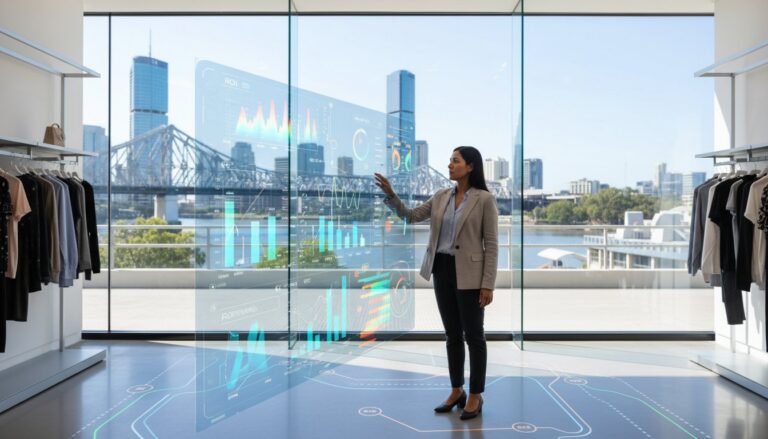
FootfallCam transforms basic entrance tallies into complex visitor journey narratives. It maps how a student moves from the library to the cafe, identifying bottlenecks that hinder the campus experience. These insights are packaged into automated reports designed for high-level institutional board meetings, providing Vice-Chancellors with evidence-based justifications for budget allocations. For those exploring the broader market, understanding the people counting systems Australia relies on is the first step toward digital transformation.
Why Australian Universities Choose FootfallCam Pro2
Durability is a non-negotiable requirement in high-traffic educational environments. The Pro2 hardware is engineered to withstand the rigours of 24/7 campus life while maintaining 99.5% accuracy. For institutions burdened by aging infrastructure, the “Legacy Swap Out Plan” offers a streamlined path to upgrade outdated systems without a complete overhaul of existing network architecture. This ensures a seamless transition to modern university campus traffic monitoring standards. Contact Footfall Australia for a campus-wide spatial audit to begin optimizing your estate today.
Mastering the Future of Campus Infrastructure
Effective university campus traffic monitoring is no longer a luxury; it’s a fundamental requirement for modern institutional management. By integrating advanced spatial analytics, universities can move beyond estimates to understand the precise narrative of student movement. This data-driven approach allows administrators to allocate resources where they’re needed most, ensuring facilities operate at peak efficiency while enhancing the overall student experience.
Footfall Australia has been a trusted partner for educational institutions since 2004, providing the clarity required to make informed decisions. Our FootfallCam Pro2 technology guarantees 99.5% accuracy, giving you a reliable foundation for long-term planning. We ensure all data collection remains in full compliance with Australian privacy standards, maintaining trust while delivering deep insights into campus life. It’s time to replace guesswork with evidence-based strategy.
Optimise your campus today with Footfall Australia’s advanced monitoring solutions.
Building a smarter campus starts with the right data, and we’re here to help you lead the way in operational excellence.
Frequently Asked Questions
How accurate is campus traffic monitoring technology?
Modern 3D LiDAR and Time-of-Flight sensors deliver accuracy rates of up to 99.5% in high-density university environments. These systems filter out non-human objects like shadows, cleaning carts, or swinging doors. Precision is essential for university campus traffic monitoring because it ensures that facility management decisions rely on verified counts rather than estimates. High-performance sensors maintain this accuracy even in challenging lighting conditions or during peak lecture changeover periods.
Does people counting technology infringe on student privacy?
Pedestrian analytics technology protects student privacy by using anonymous data processing that doesn’t record personally identifiable information. Sensors like those used in Australian universities typically convert human movement into digital coordinates or heatmaps without capturing facial features or biological markers. This approach complies with the Australian Privacy Act 1988 and ensures that data remains purely statistical. It’s a method designed to track movement patterns while keeping individual identities completely shielded from the system.
Can traffic monitoring data help reduce university energy costs?
Traffic monitoring data reduces university energy costs by integrating with Building Management Systems to automate HVAC and lighting based on real-time occupancy. Research indicates that demand-controlled ventilation can lower energy consumption in lecture theatres by 20% to 30%. Instead of heating or cooling an empty hall, the system adjusts settings according to actual student numbers. This precise allocation of resources eliminates waste and supports institutional sustainability targets through measurable, evidence-based data.
What is the difference between vehicle and pedestrian traffic monitoring on campus?
Vehicle monitoring focuses on entry points and parking bay availability, whereas pedestrian monitoring tracks the nuances of human movement within buildings and plazas. Pedestrian sensors measure dwell times, pathing, and bottleneck locations that vehicle sensors can’t detect. Understanding these distinct flows helps administrators optimize both transit infrastructure and internal floor plans. It’s the difference between managing a car park and optimizing the entire student experience across a multi-functional campus environment.
How much does it cost to implement a campus-wide people counting system?
The investment for a campus-wide system depends on the number of entry points and the complexity of the spatial analytics required. Hardware for a single high-precision sensor often starts in the range of A$1,200 to A$2,500, excluding installation and software fees. Total project costs scale based on square footage and sensor density. Most Australian universities view this as a capital expenditure that pays for itself through optimized facility management and more efficient resource allocation.
Can people counters be integrated with existing university security systems?
People counters integrate seamlessly with existing university security and IT infrastructure through standard APIs and MQTT protocols. This connectivity allows traffic data to sync with CCTV systems or emergency management dashboards for a unified view of campus safety. It’s a streamlined process that leverages your current network to provide additional layers of intelligence. By centralising this data, security teams can respond more effectively to overcrowding or unusual movement patterns in restricted areas.
How do universities use traffic data for long-term urban planning?
Universities utilise long-term traffic data to justify infrastructure investments and inform the design of new student hubs. By analysing five years of pedestrian flow patterns, planners can identify where current walkways fail to meet demand or where new retail outlets will thrive. This evidence-based approach removes the guesswork from master planning. It ensures that every A$1 million spent on campus development aligns with the actual movement and needs of the student population.
What happens if the campus Wi-Fi goes down—does the data get lost?
Data isn’t lost if the Wi-Fi goes down because modern sensors include onboard storage to buffer information locally. Most high-end devices can store up to 30 days of traffic data internally until the network connection is restored. Once the system is back online, it automatically pushes the stored counts to the cloud for processing. This redundancy ensures that your university campus traffic monitoring remains continuous and reliable, even during unexpected network outages or maintenance.