Legacy People Counter Replacement: A Strategic Guide to Upgrading Your Analytics
Is your organization still making high-stakes decisions based on data that’s only 60% accurate? For many retailers and facility managers, the reliance on infrared beams and aging sensors has become a significant operational liability. If you’re struggling with the high maintenance costs of battery-operated units or the inability to distinguish staff from customers, you aren’t alone. A strategic legacy people counter replacement is no longer just a technical update; it’s a fundamental shift toward evidence-based management.
We recognize the challenge of upgrading infrastructure without losing years of valuable historical insights. This guide demonstrates how to transition from obsolete hardware to AI-driven systems like the FootfallCam Pro2 without disrupting your daily operations. We’ll explore how the Legacy Swap Out Plan provides a structured path to 98% accuracy and unified reporting across every national location. You’ll discover a logical framework for reducing your total cost of ownership while gaining the real-time metrics necessary to stay ahead of shifting behavioral trends.
Key Takeaways
- Identify the specific technical limitations of infrared beams and thermal sensors that compromise data integrity in modern retail environments.
- Evaluate the advantages of AI-driven 3D stereoscopic vision, which establishes a new benchmark of 98% accuracy even in challenging lighting.
- Implement a structured 5-step framework for your legacy people counter replacement to ensure infrastructure compatibility and clear metric definitions.
- Learn how to maintain historical data continuity during system migrations to preserve long-term behavioral trends and organizational insights.
- Explore the commercial benefits of the Footfall Australia Legacy Swap Out Plan for a cost-effective transition to the FootfallCam Pro2 and Centroid systems.
The Limitations of Legacy People Counting Technology
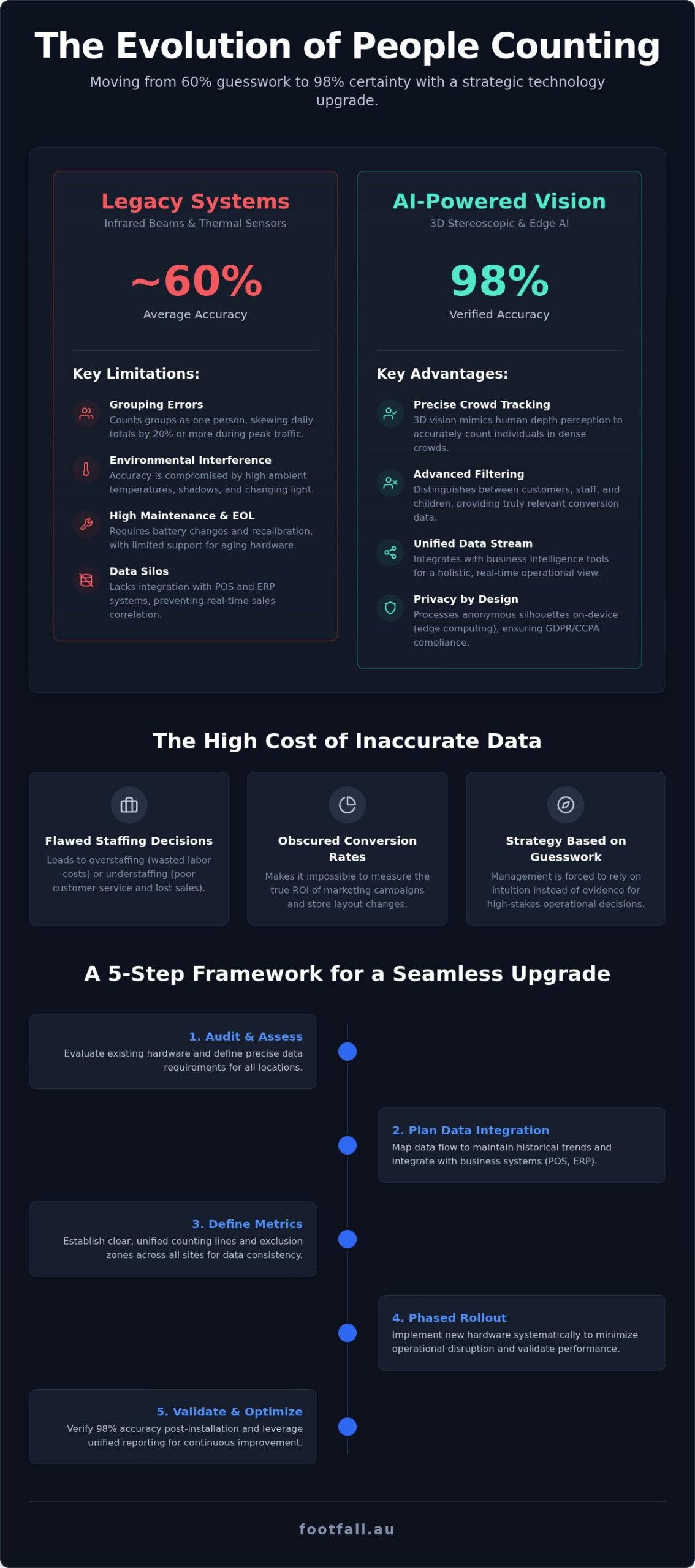
Legacy people counting systems primarily rely on horizontal infrared (IR) beams or thermal sensors. While these tools provided a basic baseline for footfall in previous decades, they lack the sophisticated logic required for modern operational intelligence. A legacy people counter replacement is often driven by the realization that these older technologies provide a fragmented, often inaccurate view of physical space. They don’t just miss individuals; they miss the context of human movement. Historical people counting technologies, such as horizontal infrared beams, are particularly prone to “grouping” errors. When two or more visitors enter a facility side by side, the beam is broken only once, resulting in a single count for a group of three or four people. This single failure point can skew daily totals by 20% or more during peak traffic periods.
Maintenance creates another significant burden for organizations managing older hardware. Battery-operated sensors require constant monitoring and frequent replacements, leading to gaps in data when units fail unnoticed. Even wired legacy sensors often demand manual recalibration to account for changes in store layouts or lighting conditions. These systems typically operate in isolation, creating data silos that prevent integration with modern POS and ERP platforms. Without a unified data stream, stakeholders can’t correlate footfall with actual sales in real time, leaving them to rely on intuition rather than empirical evidence.
Infrared vs. Thermal Legacy Systems
Horizontal IR beams struggle significantly with high-traffic volume because they can’t distinguish between individuals in a crowd. They are binary tools in a complex environment. Thermal sensors attempt to solve this by detecting heat signatures, yet they face their own set of challenges. High ambient temperatures on summer days can confuse the sensor, causing it to lose the contrast necessary to track movement accurately. As manufacturers shift their focus toward computer vision, these legacy technologies are rapidly reaching their end-of-life (EOL), leaving businesses without technical support or replacement parts.
The Financial Impact of Inaccurate Data
Inaccurate data carries a heavy price tag. When a system reports a 15% error rate, management makes flawed staffing decisions that either lead to wasted labor costs or poor customer service during unpredicted rushes. Faulty baseline data also obscures true conversion rates, making it impossible to evaluate the success of marketing campaigns or store layout changes. A legacy people counter replacement restores the integrity of these metrics by eliminating the guesswork inherent in older sensors. The accuracy gap between legacy tech and AI defines the difference between guessing your conversion rate and knowing it with 98% certainty.
Why AI-Driven Video Counters are the Standard for 2026
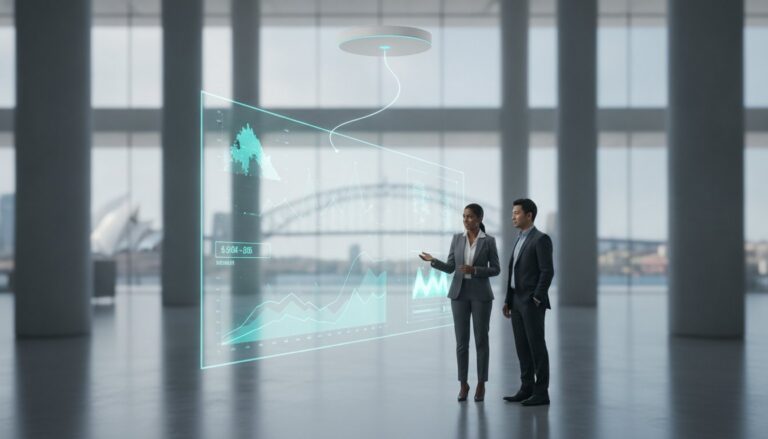
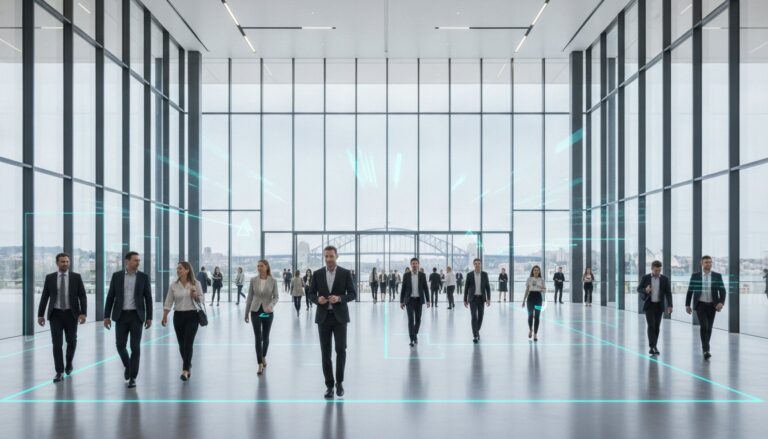
AI-driven video counters have redefined the benchmark for physical analytics. Unlike the binary sensors of the past, modern systems utilize 3D stereoscopic vision to mimic human depth perception. This technology enables the device to calculate the height and volume of objects in real time, allowing for precise tracking even in crowded environments where traditional beams usually fail. The industry’s rapid advancements in people counting technology demonstrate a clear shift toward computer vision that processes data locally on the device. By choosing an AI-driven legacy people counter replacement, businesses gain access to 98% accuracy levels that remain consistent across varying light conditions and high-density foot traffic.
A successful legacy people counter replacement strategy focuses on the utility of information, moving beyond simple tallies to provide a nuanced view of the customer journey. These modern counters distinguish between adults and children, while also filtering out staff members who may be following recognized movement patterns or wearing specific identification tags. This level of granularity ensures that your conversion rates reflect actual customer behavior rather than internal operations. Privacy remains a top priority; modern video counters are built with “privacy by design” principles. They are GDPR and CCPA compliant because they process anonymous silhouettes rather than capturing or storing identifying features. The data transmitted to the cloud consists of numerical statistics rather than raw video footage, ensuring total consumer anonymity.
FootfallCam Pro2: Technical Advantages
The FootfallCam Pro2 stands as a premier choice for hardware upgrades. It utilizes built-in AI processing, an edge computing approach that eliminates the latency associated with cloud-only systems. This local processing ensures data security and faster reporting because the heavy lifting happens on the device itself. A single unit provides wide-angle coverage, often replacing multiple legacy sensors at a single entrance. Installation is streamlined through Power over Ethernet (PoE), which combines power and data into a single cable, significantly reducing infrastructure complexity and installation costs.
From Simple Counts to Depth of Insight
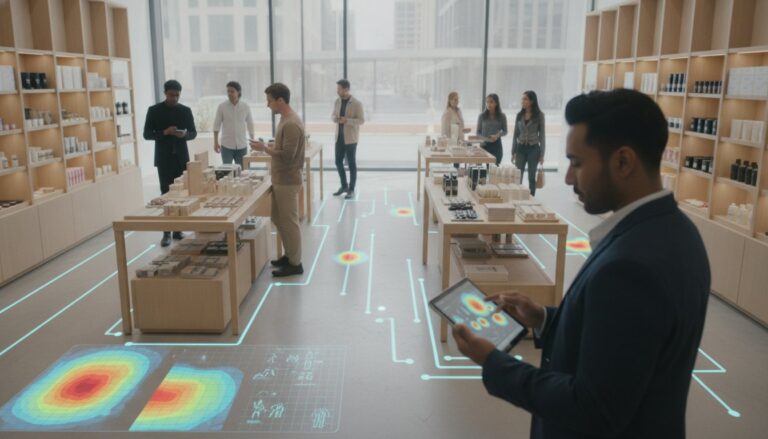
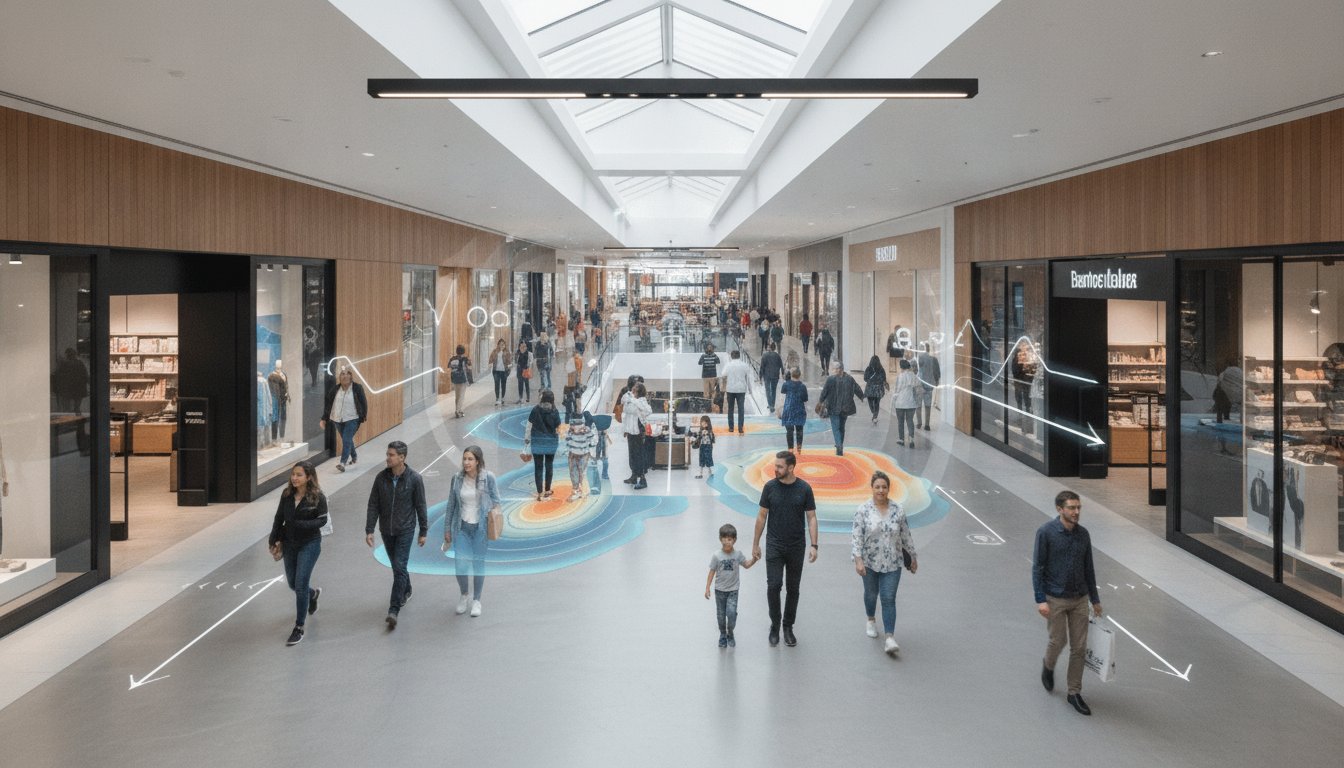
Upgrading allows you to capture sophisticated metrics like dwell time and heat mapping. These tools visualize how visitors interact with specific displays or zones, highlighting which areas of your space attract the most attention. Real-time occupancy alerts and queue management features help managers optimize staff allocation on the fly, reducing wait times and improving the customer experience. For a comprehensive technical breakdown of these features, explore our people counting technology guide. If you’re ready to modernize your data stream, consider how the FootfallCam Pro2 can serve as your strategic starting point.
A 5-Step Framework for Legacy People Counter Replacement
Transitioning to modern analytics requires a structured approach to ensure technical compatibility and data integrity. A successful legacy people counter replacement involves more than just swapping devices; it’s a systematic upgrade of your data infrastructure. By following a logical framework, you can mitigate the risks of operational downtime and ensure your new system delivers immediate utility. We recommend a five-step process designed to move your organization from fragmented counts to comprehensive behavioral insights.
- Audit existing infrastructure: Document the location of every current sensor and identify the existing wiring. Knowing whether you have accessible network points or if you’re relying on legacy serial cables determines your installation strategy.
- Define data requirements: List the specific metrics you lack. Do you need to distinguish between staff and customers, or do you require real-time occupancy data for safety compliance?
- Select hardware: Choose the right tool for the environment. This might mean installing the FootfallCam Pro2 at main entrances or utilizing the FootfallCam Centroid to add AI capabilities to your existing CCTV network.
- Pilot installation: Test the system at a high-traffic “benchmark” location. This allows you to verify accuracy against manual counts and ensure the data integrates correctly with your reporting software.
- Full national rollout: Coordinate a phased transition. Upgrading store by store reduces the load on your IT team and allows for localized troubleshooting without affecting the entire network.
Auditing Your Current Footfall Sensors
Begin by identifying dead zones in your current coverage where legacy infrared beams might be failing due to wide entrances or structural obstructions. Check your network infrastructure to see if it supports modern Power over Ethernet (PoE) devices, as this simplifies the installation of new units. In many cases, you can reuse existing mounting points, but you must verify that the ceiling height and angle provide the FootfallCam Pro2 with an unobstructed top-down view for maximum accuracy.
Choosing Your Replacement Hardware
Your hardware choice depends on your existing assets and specific site needs. The FootfallCam Pro2 is the gold standard for dedicated installations, offering built-in AI and 3D vision that handles complex lighting and high traffic with ease. However, if you’ve already invested in high-quality security cameras, the FootfallCam Centroid can repurpose those feeds into powerful analytical tools. For a detailed breakdown of selection criteria, consult the definitive guide to people counting systems in Australia. Selecting the right hardware ensures your legacy people counter replacement provides a future-proof foundation for your physical environment analytics.
Ensuring Data Continuity and Software Integration
Maintaining a continuous record of visitor trends is vital for any organization undergoing a legacy people counter replacement. Historical data represents a narrative of movement that allows you to compare current performance against previous years, seasons, and marketing campaigns. You shouldn’t start from zero just because you’ve upgraded your hardware. Preserving this context ensures that your strategic decisions remain rooted in long-term empirical evidence rather than short-term fluctuations.
The migration process begins by exporting data from your legacy databases, typically in CSV or SQL formats. A common pitfall during this stage is inconsistent time intervals; older systems might record data in hourly blocks while modern systems capture information every fifteen minutes. FootfallCam V9 Software addresses this by allowing for the seamless import of historical datasets, normalizing different formats to create a unified timeline. Once your history is imported, you can integrate real-time footfall data with your POS systems to calculate accurate conversion rates. This integration transforms raw counts into a powerful metric for evaluating store performance and staff effectiveness.
The Power of FootfallCam V9 Software
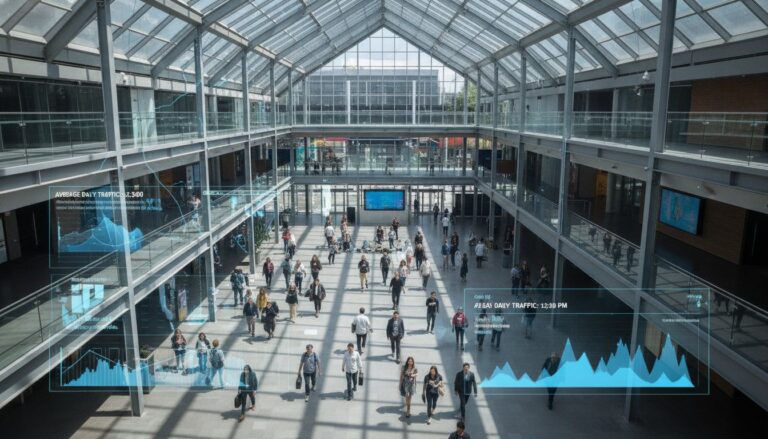
FootfallCam V9 Software serves as the central intelligence hub for your entire network. It provides a unified dashboard that simplifies national multi-site management, allowing you to view performance across hundreds of locations from a single interface. Different stakeholders gain access to customizable reports tailored to their needs; store managers see daily traffic patterns while HQ executives analyze national growth trends. The software also includes automated data health checks that monitor sensor status, ensuring your data stream remains uninterrupted and accurate.
API and Third-Party Integrations
Modern analytics thrive on connectivity. You can push your footfall data directly to Business Intelligence (BI) tools via robust APIs, allowing for deeper cross-functional analysis. Many organizations sync this data with workforce management software to automate rostering based on predicted traffic peaks. This level of automation reduces labor waste and ensures you have enough staff during high-traffic periods. For a deeper look at how to use these metrics, read our guide on footfall data analysis. If you’re ready to unify your data infrastructure, explore our software integration options to begin your transition.
The Footfall Australia Legacy Swap Out Plan
Footfall Australia has operated as a strategic partner for physical environments since 2004. We understand that a legacy people counter replacement project for a national retail chain or a large public institution involves significant logistical complexity. The Legacy Swap Out Plan is a direct response to these challenges, providing a structured and cost-effective path to total system modernization. It’s designed to remove the friction of hardware transitions, ensuring that organizations can move from fragmented, inaccurate data to a unified AI-driven ecosystem without the typical overhead of a ground-up installation.
Our approach leverages a national reach to support replacement projects across the entire country, from metropolitan hubs to regional centers. This plan isn’t just about shipping hardware; it’s about providing a complete end to end service that maintains data integrity throughout the transition. By focusing on the utility of information, we ensure that your new infrastructure provides immediate value to your operations, backed by a presence in the Australian market that spans over two decades.
What is Included in the Swap Out Plan?
The Legacy Swap Out Plan provides a comprehensive framework for upgrading qualifying old systems to the FootfallCam Pro2 or Centroid platforms. We offer hardware transition pathways that reduce the commercial burden of replacing aging sensors. Our professional installation is handled by local Australian partners who understand the specific technical requirements of regional infrastructure. We don’t just install the device; we configure the FootfallCam V9 Software to match your existing reporting style. This ensures that your team can continue to use the metrics they rely on while gaining the 98%+ accuracy that modern AI provides.
Long-Term Support and ROI
A successful legacy people counter replacement delivers a return on investment through improved data accuracy and drastically reduced maintenance costs. By eliminating the need for frequent battery changes and manual recalibrations, organizations lower their total cost of ownership within the first year. We provide ongoing stability through our Basic and Premium Support Plans, which offer proactive monitoring and data health checks. These plans ensure that your system remains optimized as your physical environment evolves. For more details on maintaining your system after the upgrade, explore our guide on people counter support. Choosing the right support structure is the final step in securing the long-term integrity of your organizational metrics.
Future-Proofing Your Physical Environment Analytics
Transitioning away from obsolete sensors is a strategic imperative for any organization that values empirical evidence over intuition. By moving beyond the limitations of infrared beams, you reclaim the integrity of your conversion rates and operational metrics. A successful legacy people counter replacement ensures that your historical data remains a valuable asset while providing the 98%+ accuracy required for modern decision-making. This shift represents more than a hardware upgrade; it’s a commitment to precision that empowers every level of your management team.
Footfall Australia offers a structured path to modernization through specialized hardware transition and full historical data migration support. We’ve been a trusted partner for Australian retailers since 2004, focusing on the utility of information to drive specific, positive changes in store performance. Upgrading doesn’t have to disrupt your operations; it’s a logical step toward gaining a transparent, reliable view of human behavior within your space. You can move forward with the confidence that your strategic choices are backed by the highest standard of physical analytics.
Upgrade your system today with the Footfall Australia Legacy Swap Out Plan. Take control of your data and turn physical presence into actionable strategy.
Frequently Asked Questions
How do I know if my current people counter is a legacy system?
You can identify a legacy system by its hardware and data limitations. If your sensors utilize horizontal infrared beams or older thermal technology, they’re considered legacy. These devices often struggle with “grouping” at entrances and can’t distinguish between customers and staff. If your current setup requires frequent battery changes or provides accuracy levels below 90%, it’s time to consider a modern alternative that utilizes 3D vision.
Can I keep my historical data when I replace my old sensors?
You can absolutely retain your historical trends during a transition. FootfallCam V9 Software allows you to import data from legacy databases via standard CSV or SQL formats. This ensures that a legacy people counter replacement doesn’t result in a loss of year-on-year context. Our technical team assists in normalizing these older datasets, allowing you to compare past performance against the high-accuracy metrics generated by your new AI-driven sensors.
Is it possible to use my existing CCTV cameras as people counters?
Repurposing existing CCTV cameras is possible through the FootfallCam Centroid. This AI-powered gateway connects to your current IP camera network and applies sophisticated counting algorithms to the existing video streams. It’s a highly efficient way to upgrade your analytics without installing new hardware at every point. This approach is ideal for large facilities that already have comprehensive camera coverage but lack the specialized logic needed for accurate footfall tracking.
How long does it take to replace a people counting system across multiple stores?
The timeline for a legacy people counter replacement depends on the scale of your organization. A single-site installation typically takes less than four hours to complete. For national rollouts, we coordinate a phased schedule that usually spans two to four weeks. This structured approach ensures that each site is fully calibrated and integrated into your central reporting dashboard without causing significant disruption to your daily retail or facility operations.
What is the accuracy difference between infrared beams and AI counters?
The accuracy gap between legacy and AI systems is substantial. Older infrared beams generally achieve between 60% and 80% accuracy because they fail when multiple people enter simultaneously. Modern AI counters, such as the FootfallCam Pro2, utilize 3D stereoscopic vision to reach 98% accuracy or higher. This precision allows you to trust your conversion rates and staffing models, shifting your management style from intuitive guesswork to data-driven certainty.
Do modern AI people counters require high internet bandwidth?
Modern AI counters have a minimal impact on your network performance. Because devices like the FootfallCam Pro2 utilize edge computing, all video processing happens locally on the sensor itself. The device only transmits small, text-based numerical data packets to the cloud for reporting. This means you don’t need a high-speed internet connection to maintain real-time occupancy alerts or daily traffic reports across your entire national store network.
Is the FootfallCam Pro2 compliant with Australian privacy regulations?
The FootfallCam Pro2 is fully compliant with Australian privacy regulations and global standards like GDPR. It uses a “privacy by design” approach, which means it processes anonymous silhouettes to track movement rather than capturing identifiable facial features. No personal information or raw video footage is stored or transmitted to the cloud. This ensures that your organizational data remains secure while respecting the anonymity of every visitor who enters your space.
Can I install the replacement sensors myself or do I need a professional?
While the Power over Ethernet (PoE) hardware is designed for simplicity, we recommend using a professional for the initial setup. Our local Australian partners ensure that each sensor is mounted at the optimal height and angle to avoid obstructions. Professional configuration is also vital for setting up staff exclusion zones and integrating your new data with existing POS systems. This expert oversight guarantees the long-term integrity of your analytics from day one.